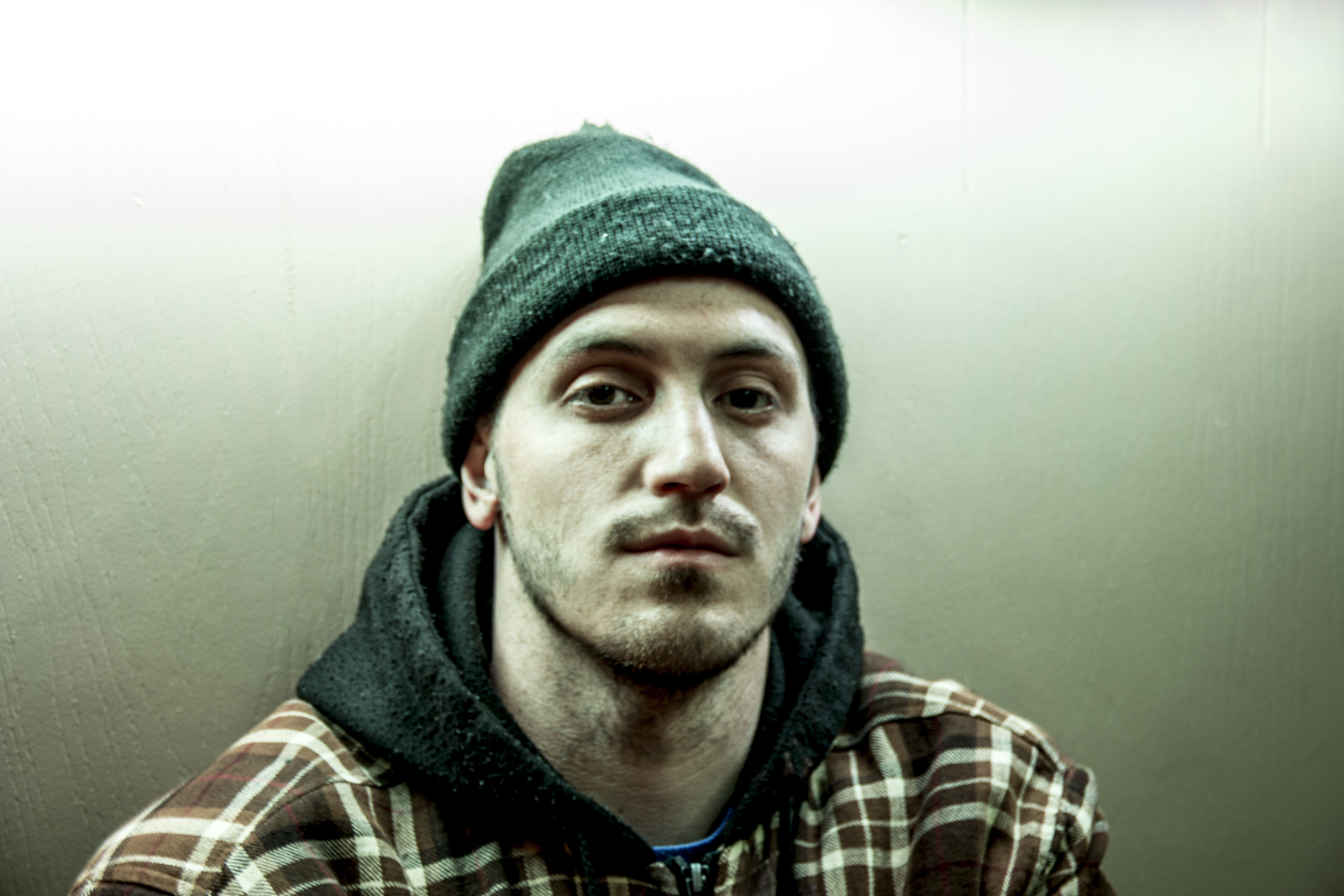
Detroit hip-hop has a language of its own.

You hear it in the way artists talk, the way Detroiters greet each other, the references to streets and neighborhoods, and the words that can instantly tell somebody where a person is from.

That language is one reason Detroit rap feels different from hip-hop coming out of other cities.

And in 2026, understanding that language makes it easier to understand the artists, culture and regional identity behind the current Detroit rap movement.

We recently took a deeper look at the artists carrying that movement forward in Dopest Rappers from Detroit 2026. But before getting into the rappers themselves, it helps to understand some of the language that has become part of Detroit's cultural identity.

What Up Doe: Detroit's Most Recognizable Phrase

There may not be a phrase more closely associated with Detroit than “What up doe?”

To an outsider, it sounds like a creative way of saying “What's up?”

To Detroiters, it is much more than that.

Visit Detroit describes “What up doe?” as the city's traditional greeting. The phrase is used among friends, relatives and strangers and has become one of the clearest verbal symbols of Detroit identity.

But the history behind the phrase goes deeper.

In 2025, Detroit public radio station WDET investigated the origins of “What up doe?” and spoke with Detroit poet and professor Aurora Harris as well as Detroit producer Waajeed.

According to WDET's reporting, the phrase was used in Detroit's drug culture during the late 1970s and 1980s as a condensed greeting among “dope boys.” In that explanation, “doe” connects to “dough,” meaning cash.

Waajeed recalled hearing the expression growing up on Detroit's east side during the 1980s. WDET described the phrase at that time as a kind of call-and-response used to acknowledge people and establish awareness of who was around.

The exact origin isn't universally settled.

WDET also reported a separate theory from Detroit producer and entrepreneur Filthy Rockwell, who said George Clinton traced the expression back to Detroit musician Amp Fiddler. That makes it more accurate to say the phrase has multiple origin stories, while its documented Detroit street usage in the 1970s and 1980s is much clearer.

Eventually, the phrase moved beyond neighborhood speech and into Detroit music.

WDET points to recordings including The Big Dog's “What Up Dow,” Dice's “Whut Up Doe,” Danny Brown's “What up Doe” and Tone Tone's “Whaddup Doe.” The phrase then reached an international audience through 8 Mile.

That's the interesting thing about Detroit slang.

A phrase can begin in a specific local environment, become part of neighborhood conversation, enter hip-hop, and eventually become part of the city's global identity.

Buffs Mean More Than Sunglasses

Another word strongly associated with Detroit is “buffs.”

In Detroit, buffs refer to Cartier frames, particularly the wood-grain or buff-colored Cartier sunglasses that became associated with Detroit style. Visit Detroit specifically identifies “Cardi's or Buffs” as part of the city's local vocabulary and points to the distinctive Cartier frames as an iconic Detroit look.

The importance of buffs goes beyond fashion.

They became part of the visual identity surrounding Detroit rap: luxury, confidence, street fashion and status all wrapped into one recognizable accessory.

That's why rappers can mention buffs without having to explain them.

The word already carries a cultural picture.

313 Is More Than an Area Code

313 is technically an area code, not slang.

But in Detroit culture, the number became something much bigger.

It functions as a shorthand for the city itself.

Visit Detroit notes that Detroiters have embraced the number with pronunciations and nicknames including “3 one-third,” “tre-one-tre” and “3-1-thrizzle.” The city even celebrates March 13 as an unofficial 313 day.

In hip-hop, 313 works almost like a flag.

You see it in artist names, lyrics, merchandise, social media handles and visual branding.

The number tells you the territory.

The Mile Means Seven Mile

Detroit's street vocabulary is another major part of its rap identity.

One example is “The Mile.”

When Detroiters use the expression, it can refer to Seven Mile, rather than automatically referring to 8 Mile or the movie made famous by Eminem.

That kind of shorthand works because Detroiters share the geography.

A street name can carry an entire neighborhood reference.

A road can represent a side of town.

A number can identify where somebody comes from.

For a rapper, that creates an instant connection with listeners who understand the map.

Square Means Cigarette

Here's another genuine Detroit expression:

“Square.”

Visit Detroit's Detroit Dictionary lists “square” as a local Detroit term for a cigarette.

It isn't a flashy piece of slang.

That's exactly why it matters.

Regional language isn't always made up of dramatic words that sound completely different from standard English.

Sometimes it is simply an everyday word that means something specific to the people using it.

That's how local vocabulary survives.

People grow up hearing it.

They use it without thinking about it.

Then somebody from outside the region hears it and realizes there is an entire language underneath the conversation.


Dopest Rappers from Detroit 2026


In a Minute Means Goodbye

“In a minute” is another phrase visitors may hear differently from locals.

Visit Detroit describes it as a casual Detroit goodbye, essentially functioning like “see you later.”

Once again, the phrase itself isn't exclusive to Detroit English.

The local meaning and usage are what make it part of Detroit's vocabulary.

That's an important distinction when talking about hip-hop slang.

Not every expression used by a Detroit rapper was invented in Detroit.

Some words are national slang.

Some are Black American English.

Some are Midwestern.

Some are Michigan expressions.

And some carry a very specific Detroit history.

The interesting part is seeing how they come together.

Ope Is Michigan, Not Detroit

One of the easiest mistakes people make is calling every Michigan expression “Detroit slang.”

Take “ope.”

Yes, you'll hear it around Detroit.

But it is better understood as a Michigan and Midwestern expression, rather than something created specifically by Detroit's hip-hop culture.

Visit Detroit describes “ope” as a likely derivative of “oops” and explains that Detroiters and other Michiganders use it when bumping into someone or trying to move past them.

That distinction matters because Detroit slang exists inside a much larger regional culture.

Detroit isn't linguistically isolated.

The city's dialect reflects Midwestern roots, the influence of Black Southern migration during the 1950s and 1960s, hip-hop culture and even Detroit's proximity to Windsor, Ontario. Visit Detroit explicitly identifies all of those influences.

Why Detroit Slang Matters to Hip-Hop

Detroit rap has always been about more than beats and bars.

It's about identity.

The slang tells you where somebody is from.

The street references tell you what part of the city they know.

The clothes, food and neighborhood references add another layer.

And the delivery makes all of it sound natural.

That's one reason the current Detroit rap scene can be difficult to separate from Detroit itself.

The language isn't something artists have to manufacture.

It's already around them.

That's also why the artists making music in Detroit right now are worth paying attention to individually. Different rappers use the city's language differently. Some lean heavily into neighborhood storytelling. Others use Detroit's conversational style while pushing into melodic, experimental or underground sounds. The current scene includes artists tied to Detroit proper as well as artists from the broader Michigan ecosystem.

Detroit Slang Has Traveled Beyond Detroit

Perhaps the most interesting part is how far some of these expressions have traveled.

“What up doe?” is now recognized far beyond Michigan.

The phrase has appeared in Detroit rap, film, fashion, merchandise and popular culture. WDET's reporting documents how it moved from Detroit street culture into music and eventually onto a global stage through 8 Mile.

But the wider a phrase travels, the easier it becomes to lose the context behind it.

For Detroiters, “What up doe?” isn't simply a catchy alternative to “What's up?”

It carries history.

It carries place.

And it carries the identity of a city that has spent generations creating its own cultural vocabulary.

The Language Helps Explain the Detroit Rap Movement

This is where the slang connects back to the music.

When you hear Detroit artists using local expressions, neighborhood references and familiar cultural shorthand, you're hearing more than word choice.

You're hearing a regional identity.

And that's why getting familiar with Detroit's language can make discovering its hip-hop scene much more interesting.

The slang gives you the context.

The artists give you the stories.

The music gives you the sound.

Meet the Detroit Rappers Defining the Scene in 2026

We've already gone much deeper into the artists themselves.

For the full breakdown of the rappers, underground voices, rising names and Michigan-connected artists shaping the current conversation, read our Dopest Rappers from Detroit 2026 guide on Trillion Little Pieces.

It is the natural next read after learning the language of the city.

Because once you know what “What up doe,” “buffs,” “313,” “The Mile,” and other Detroit references mean, you start hearing the city's hip-hop culture a little differently.

Detroit has its own language.

And in 2026, its rappers are still finding new ways to speak it.


Independent artist and entrepreneur Stevieontay Burnz prepares to release Burnz and Beyond, a new project built around cannabis culture, ambition, independence, and the real-life experiences behind The Southern Maryland Experience (The Experience Dispensary)

Stevieontay Burnz is bringing together two worlds that have become inseparable from his story: music and cannabis culture.

The independent artist, entrepreneur, and founder of The Southern Maryland Experience (The Experience Dispensary) is preparing to release his new album, Burnz and Beyond, a project that takes listeners deeper into the lifestyle, business, and experiences that have shaped both his music and his growing brand.

Rather than separating the artist from the entrepreneur, Burnz and Beyond puts both sides of Burnz on full display.

The album draws inspiration from his experiences building The Southern Maryland Experience, navigating the independent music industry, developing cannabis products and brands, and continuing to push forward through the challenges that come with entrepreneurship.

From The Southern Maryland Experience to Burnz and Beyond

Founded under Unlimited Experience Holding Company LLC, The Southern Maryland Experience / The Experience Dispensary has grown from its Maryland roots into a legal cannabis and hemp-focused retail brand with operations in North Carolina.

The company focuses on the legal, 21+ cannabis and hemp market, offering a curated selection of products while building a brand centered around cannabis culture rather than the traditional dispensary experience.

For Burnz, that business isn’t separate from his music. 

It is part of the story.

That connection can be heard throughout Burnz and Beyond, where cannabis references sit alongside themes of ambition, relationships, pressure, independence, success, and the realities of trying to build something from the ground up.

The Burnz and Beyond Rollout Begins

The album rollout begins with “Wax Wizardry,” arriving September 30, 2026.

Mixed and mastered by Crackle Kapone, “Wax Wizardry” introduces listeners to the cannabis-heavy atmosphere surrounding the project while showcasing the sound Stevieontay Burnz has continued developing as an independent artist. 

The rollout continues with:

“Married to Mary” — October 7 

“Terp Temple” — October 14 

“The Experience” — October 21

AND MORE TO FOLLOW!

Each release expands the world surrounding Burnz and Beyond, connecting Burnz’s music with the cannabis culture and entrepreneurial journey behind The Southern Maryland Experience. 

The project also follows a growing run for Stevieontay Burnz that has included independent media coverage, radio exposure, interviews, live performances, and continued expansion of his presence across streaming platforms and music media.

More Than an Album 

The title Burnz and Beyond represents exactly what Stevieontay Burnz is attempting to build. 

The music is one part of a much larger vision.

As an artist, Burnz is building his catalog and identity independently. As an entrepreneur, he is continuing to develop The Southern Maryland Experience as a recognizable cannabis-focused retail and lifestyle brand. 

Those paths now meet in Burnz and Beyond.

Instead of simply rapping about cannabis culture from the outside, Burnz’s music comes from someone actively involved in the industry — dealing with the long hours, risks, regulations, branding, customers, products, and constant pressure involved in building a legal cannabis business. 

That gives Burnz and Beyond a perspective that goes beyond cannabis references alone. 

It’s the soundtrack to the lifestyle behind them.

What’s Next for Stevieontay Burnz

With Wax Wizardry kicking off the rollout September 30, Stevieontay Burnz is entering the next stage of his independent career with new music, expanded media coverage, and continued growth surrounding The Southern Maryland Experience.

For Burnz, the goal isn’t simply to release another album or operate another dispensary. 

It’s to build an ecosystem where music, cannabis culture, entrepreneurship, art, and community can exist under one identity. 

And with Burnz and Beyond, those pieces are beginning to come together.

Follow Stevieontay Burnz on all major streaming and social platforms for the latest releases from Burnz and Beyond. 

Listen to Stevieontay Burnz 

Spotify: Stevieontay Burnz 

Official Website and EPK: Stevieontay.info

Cannabis Website: www.thesomdexp.com


Kevin Gates' younger brothers D$AVAGE and BWA Ron come together on "Chosen One," combining raw street energy and hard-hitting production to show their own worth and help strengthen the foundation of the BWA roster.

Same bloodline. Same hunger. A new chapter.

Check out "Chosen One" out now on all platforms and make sure you follow D$AVAGE on social media for his latest releases.

Connect:

www.dsavagetv.net 

Instagram - @svglife100


Hip hop has grown into one of the world's most influential cultural forces, shaping far more than music. In Unbecoming: The Miseducation of a Poet, author Taquarius Ford explores how hip hop, media, education, religion, and culture influence identity, beliefs, and the way we see ourselves.

Rather than criticizing hip hop, Taquarius Ford examines its cultural impact and invites readers to ask an important question: How much of who we are was intentionally chosen, and how much was shaped by the world around us?

Through personal reflection, cultural commentary, and poetic storytelling, Taquarius Ford encourages readers to think critically about the messages they consume and the voices that have helped shape their lives.

"Culture is one of our greatest teachers," says Taquarius Ford. "The question isn't whether we're being influenced. The question is whether we're aware of what's influencing us."

As conversations continue across the hip hop community about authenticity, mental health, entrepreneurship, relationships, and cultural responsibility, Unbecoming offers a timely perspective on the power of culture to shape individuals and communities.

Unbecoming: The Miseducation of a Poet by Taquarius Ford is available now.

Amazon: https://www.amazon.com/dp/B0GXCGSGTN

Barnes & Noble: https://www.barnesandnoble.com/w/unbecoming-taquarius-ford/1149865577

About Taquarius Ford

Taquarius Ford is an author and poet whose work explores identity, culture, and personal growth. Through his writing, Taquarius Ford encourages readers to think independently, question inherited narratives, and pursue lives rooted in authenticity. 

Media Contact: Unbecoming@tuta.com


Underground hip-hop producer Bombdrop has officially announced the upcoming release of his highly anticipated instrumental album, "The Horn Section", scheduled to hit all major streaming platforms on July 2, 2026.

"The Horn Section" is a bold, genre-bending instrumental project that seamlessly fuses the gritty, hard-hitting energy of underground boom-bap with the rich texture of live horn compositions.

Listeners can expect a seamless blend of heavy basslines, live jazz improvisations, and rare, historic spoken-word interview snippets from jazz legends.

The result is a cinematic sonic experience that honors the roots of hip-hop sampling while pushing modern beat production into a sophisticated new territory.

"This project is about bringing that raw, unpolished underground energy together with the sophistication of live jazz instrumentation," says Bombdrop. "It's a tribute to the greats who laid the foundation, but flipped with a modern, gritty edge."

About Bombdrop:

Bombdrop is an independent hip-hop producer known for his signature boom-bap rhythms, soulful sample flipping, and atmospheric soundscapes. Based out of Fall River, MA, Bombdrop continues to carve out a unique lane in the underground music scene by bridging the gap between nostalgic golden era hip-hop and experimental modern production.

Bombdrop - The Horn Section
Tracklist
1. The wrong direction
2. My intuition
3.Horn improvisation
4. valid validation
5. Blue notation
6. Reincarnation
7. Dedication
8. Celebration
9. Jubilation

All tracks produced and arranged by Bombdrop.

Available Now: https://linktr.ee/bombdrop13

Follow on Instagram: https://www.instagram.com/bombdrop13/


International recording artist Flipstyle is gaining worldwide momentum with his latest single “This Is Life,” featuring vocalist Mel Mova and emerging Australian saxophonist Lachie Eggert. The official music video has surpassed 1 million views on YouTube within its first month of release, marking a major milestone for the independent release.

Released through Street Music Records, the single achieved multiple chart placements in the United States between January and February 2026, reaching #58 on the Billboard Top 100, #43 on the iTunes Top 100, #26 on the Amazon Best Sellers chart, and #19 on Spotify’s Local Pulse Toronto chart. The track also charted internationally at #80 on the iTunes UK Top 100 Pop Singles Chart, reflecting strong engagement across global markets.

Written by Flipstyle and Mel Mova, “This Is Life” blends cinematic hip-hop production with motivational lyricism centered on perseverance, ambition, and resilience. The track combines polished production with live instrumentation to create a cross-genre sound that resonates with audiences worldwide.

A defining element of the song is Mel Mova’s powerful vocal performance, which delivers emotional depth through soaring melodies and layered harmonies. Her vocal delivery anchors the track’s message and contributes to the song’s broad cross-cultural appeal.

The production is further elevated by Lachie Eggert’s live saxophone performance, adding warmth and expressive musical texture while bridging contemporary hip-hop with live instrumental artistry.

Executive production was led by Stephen Movafaghi, the artist behind Flipstyle. The official music video was produced by Stephen Movafaghi and Melissa Movafaghi of Contego Media, delivering a cinematic visual narrative that reinforces the song’s empowering theme.

Stephen Movafaghi, professionally known as Flipstyle, is also the founder of Pulse Musica, an all-in-one music creation SaaS platform built to support independent artists at every stage of the creative process. The platform enables users to produce music, record vocals, mix and master tracks, design cover artwork, and create music videos within a single, unified system, further expanding his role as both an artist and entrepreneur within the evolving digital music landscape.

With chart placements across multiple territories, strong international streaming engagement, and continued media recognition, “This Is Life” continues to build global momentum for the independent artist and his collaborators.

Subscribe on YouTube:
@FlipstyleMusic
www.youtube.com/@flipstylemusic

Follow on Instagram:
@FlipstyleMusic
https://www.instagram.com/flipstylemusic


DL, a multi-talented artist hailing from the gritty streets of Queens, NY, has carved a unique path in the world of hip hop, acting, and entrepreneurship. With an unyielding commitment to authenticity and being the “genuine article,” DL has emerged as a true force to be reckoned with in the entertainment industry.

Rising to prominence, DL’s breakout role came in the cult classic film “King of Paper Chasin’,” where he showcased his acting chops alongside his underground banger, “Bossman.” The film not only captivated audiences but also solidified DL’s position as a multifaceted talent. It was in this defining moment that DL’s artistry began to transcend traditional boundaries, capturing the essence of the streets and the struggles faced by many.

DL’s journey has been marked by setbacks and personal tragedies, including the sudden loss of his younger sister. These hardships have served as powerful catalysts for his artistic expression, allowing him to channel raw emotion into his music and performances. Through his art, DL offers a glimpse into the depths of human experience, delivering messages of resilience, hope, and triumph over adversity.

In his music, DL seamlessly blends his Queens upbringing with his passion for hip hop, creating an unmistakable sound that resonates with fans worldwide. His song titles reflect his diverse range, from the introspective anthem “Good 2 B Here” to the infectious energy of “Off Da Books.” With his latest single, “DAF,” DL introduces a fun and sexy vibe, showcasing his versatility as an artist.

Beyond his individual accomplishments, DL has established his own entertainment company, Triplebeam Worldwide. The name “Triplebeam” serves as a powerful reminder of DL’s roots, ensuring he never forgets where he comes from. It also carries a message of motivation and inspiration for those seeking a way out of their circumstances, a testament to DL’s unwavering belief in the transformative power of music and art.

Driven by a deep desire to give back, DL recently founded the Triplebeam Dreams Foundation. This nonprofit organization is dedicated to uplifting and inspiring the youth who face daily struggles similar to those DL encountered as a young man in the inner city. Through various initiatives, the foundation aims to provide resources, mentorship, and opportunities for personal and artistic growth, empowering the next generation to overcome obstacles and chase their dreams.

DL’s magnetic presence, coupled with his genuine passion for his craft, has garnered him a dedicated fan base that stretches far beyond his hometown. Whether he’s captivating audiences on screen, delivering captivating performances on stage, or making a difference through his philanthropic efforts, DL continues to leave an indelible mark on the world of entertainment.

In a realm often characterized by pretense, DL’s commitment to authenticity shines through, making him a true beacon of inspiration. Through his artistry, resilience, and philanthropy, DL embodies the power of the human spirit, reminding us all that no setback is insurmountable and that dreams can become a reality.

In DL’s latest release, “Copy”, the artist steps into the part of the journey people never repost. The nights where the wins slowed down. The moments when support disappeared. The times he was counted out, overlooked, underestimated—and expected to fade like everybody else who almost made it.

This is where the imitators stopped watching.

Because copying the image is easy.
Copying the pressure isn’t.

Copying the confidence is easy.
Copying the doubt you have to beat in private isn’t.

When the momentum shifted and the spotlight moved somewhere else, the question wasn’t whether people believed anymore.

It was whether he still believed.

And that’s where the separation happened.

Beam II is about surviving the silence…staying solid when nobody’s calling…and finding the will to keep building when the world already moved on.

Some people tried to copy the look.

Nobody could copy the endurance.

Check out “Copy”, out now on all platforms, and make sure you follow DL on social media for his latest releases.

Connect:

Instagram: @realonedl

TikTok: @realonedl

Facebook: @realonedl

Youtube: triplebeamtv